
What to Know About Contraindications Before You Start
More older adults are trying CBD than ever before. In fact, recent survey data found that CBD use among adults aged 65 and older has become common enough that researchers are now calling for better public health education aimed specifically at this age group (Cannabidiol Use Among Older Adults, PMC, 2025). CBD for Seniors can help with sleep support, joint discomfort, and everyday stress — but before adding it to a daily routine, it’s worth understanding how CBD can interact with other medications, and why starting slow matters more as we age.
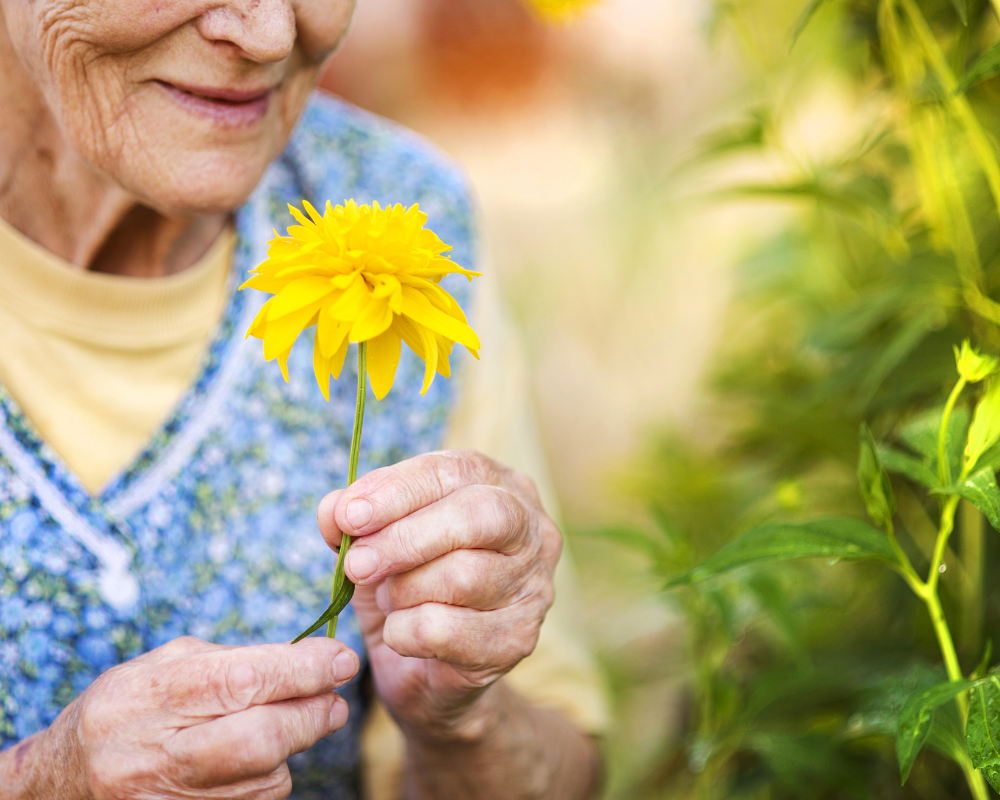
Why seniors need to be more cautious with CBD
Aging changes how the body processes medication. Liver and kidney function naturally decline over time, which affects how quickly drugs — and CBD — are metabolized and cleared from the body. Older adults are also more likely to be managing multiple prescriptions at once, a factor researchers consistently link to a higher risk of drug interactions (Potential drug interactions in older adults at hospital discharge, PMC). More medications in the mix means more opportunity for something to interact unexpectedly — and CBD is not exempt from that risk.
How CBD interacts with other medications
CBD is broken down in the liver by a group of enzymes called cytochrome P450, the same enzyme system responsible for metabolizing a large share of prescription drugs. Research shows CBD can inhibit several of these enzymes, including CYP3A4, CYP2C9, and CYP2C19 (Cytochrome P450–Catalyzed Metabolism of Cannabidiol, PMC). In practical terms, this means CBD can slow down how quickly the body clears certain other drugs, potentially causing them to build up to higher-than-intended levels in the bloodstream.
A clinical study on cannabinoid-drug interactions found that CBD meaningfully increased blood levels of several common drug types metabolized through these same pathways, including drugs processed via CYP3A and CYP2C9 (Evaluation of Cytochrome P450-Mediated Cannabinoid-Drug Interactions, Clinical Pharmacology & Therapeutics, 2023). A separate review identified dozens of commonly prescribed drugs — spanning blood thinners, heart medications, and antidepressants — as having documented or plausible interactions with CBD (Cannabidiol’s impact on drug-metabolization, ScienceDirect).
This is precisely why CBD is not necessarily “risk-free” just because it’s plant-derived and available without a prescription — the mechanism for interaction is the same one that governs many prescription-to-prescription interactions

What the research says about CBD specifically in older adults
A review focused on CBD use in older adults for pain management noted that while interest in CBD has grown quickly among seniors, robust safety and efficacy data specific to this age group remains limited. The same review flagged inconsistent labeling of over-the-counter CBD products as a real-world safety concern, alongside the potential for drug interactions (Cannabidiol Use in Older Adults, U.S. Pharmacist). Another review looking at CBD use for pain in older adults reached a similar conclusion — the evidence base is still developing, and clinicians are encouraged to have direct conversations with older patients about both potential benefits and risks (Cannabidiol Use by Older Adults for Acute and Chronic Pain, PMC).
None of this means CBD is unsafe for seniors — it means the same principle applies here as with any supplement: informed, cautious use under the guidance of a healthcare provider is the safer path.
Medications to flag with your doctor
If you’re on any of the following types of medication, it’s especially important to talk to your doctor before starting CBD, since these are commonly processed through the same liver pathways CBD affects:
- Blood thinners (e.g., warfarin)
- Heart rhythm or blood pressure medications
- Antidepressants and anti-anxiety medications
- Seizure medications
- Cholesterol-lowering statins
- Thyroid medications
This is not an exhaustive list — your pharmacist or doctor can check your specific prescriptions against known CBD interactions.
Starting low and slow
If your doctor gives the go-ahead, the safest approach is to start with a low dose and build up gradually — for example, starting with 0.5ml of a broad spectrum oil or one capsule, holding that dose steady for three to four days, and only adjusting if needed. This gives your body — and your doctor — time to notice how you’re responding before increasing the amount.
The bottom line
CBD may offer real support for common concerns among older adults, from occasional discomfort to restless nights. But because of how it’s processed in the body, it isn’t something to combine with existing medications without a conversation first. If you’re a senior considering CBD, loop in your doctor or pharmacist, start with a conservative dose, and give your body time to adjust.
Curious which product might be the right starting point? Take a look at our CBD dosing guide to find a product that matches your needs, or explore our full CBD supplements collection made and tested in Canada.
This article is for informational purposes only and is not intended as medical advice. Always consult your doctor or pharmacist before starting CBD, especially if you take prescription medication.